‘A tipping point’: Future of Duck River in question ahead of Columbia water rate vote
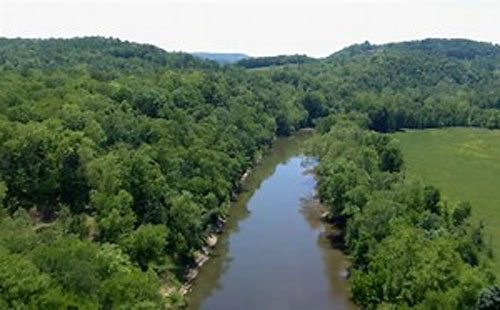
COLUMBIA, Tenn. (WKRN) — A massive decision tied to the future of the Duck River is coming next week.
The city of Columbia will vote on increasing their water bill rates nearly 150% over the next 5 years.
The money would be used to build a new $500 million water intake center further down the Duck River. The utility has been planning this for decades.
“We need to take the time to slow down… put it on hold, and let’s prove a better method, a better way, that doesn’t put us all on this huge debt service to our community,” said resident Jason Gilliam during the council’s first discussion on the rate hike.
“It’s not viable financially, it’s not viable economically, or as far as an engineering point of view,” said Doug Jones, president of the Duck River Conservancy. “It hadn’t worked in other places!”
Jones owns a farm along the river. Outside of those with private wells, the majority of residents along the Duck River rely on Columbia Power for their drinking water.As such, Jones believes there’s so much at stake for the Duck River in 2026.
“It’s very fragile,” said Jones. “We didn’t have a drought this past year, but we’re due for another drought. And it’s at a tipping point with all these big industries, like the battery plant in Spring Hill, and all the growth. It’s not built to take that, it’s just a little river. Columbia Power thinks it’s the Mississippi River!”
“If there is a drought this year, how bad do you think it’ll be?” asked News 2 reporter Sam Chimenti. “Devastating,” answered Jones. “I think you’ll be able to walk across the river and not get your ankles wet. It won’t even be a river, it’ll just be a bunch of rocks.” “We hope the message gets out there,” Jones continued. “(City council) need to study this and hear from some other sources, like the Governor’s partnership that just studied it for a year.”
In 2025, Governor Lee launched a partnership dedicated to planning and conservation of the Duck River. The group released an initial report in November, detailing what they had learned and some ideas they may pursue.
Some examples, in the immediate future, are understanding the ecological flow of the Duck River. Doing that, the report states, will help protect aquatic life and establish better rules for water withdrawals, among other benefits.
Other recommendations include the preservation of green space, encouraging better water conservation from residents and businesses, and incentivizing water efficiency efforts (i.e. groundwater recharge).